
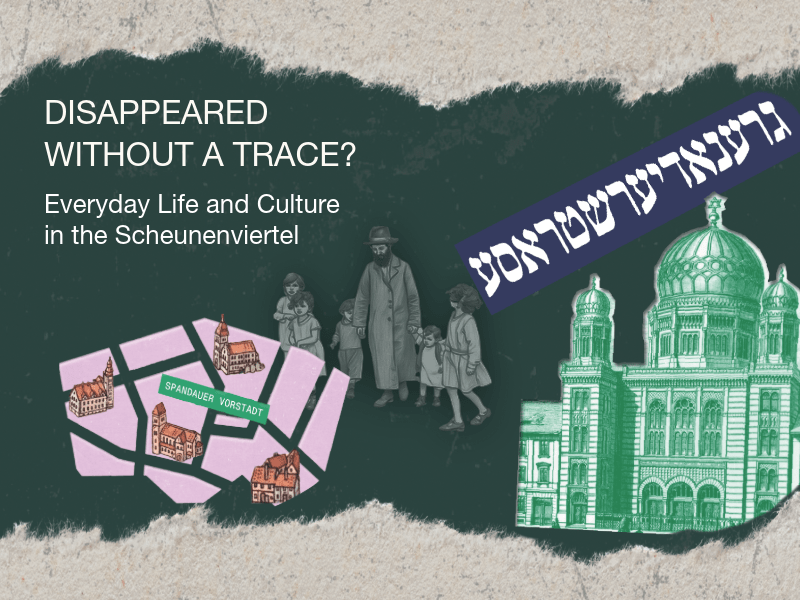
4. Oktober 2026 – 14:00 – 16:00
Starting in August and continuing through November, we’ll be offering a themed city walking tour on the first Sunday of every month; you can usually find this tour on the digital map on our website, https://jewishmitteberlin.de.
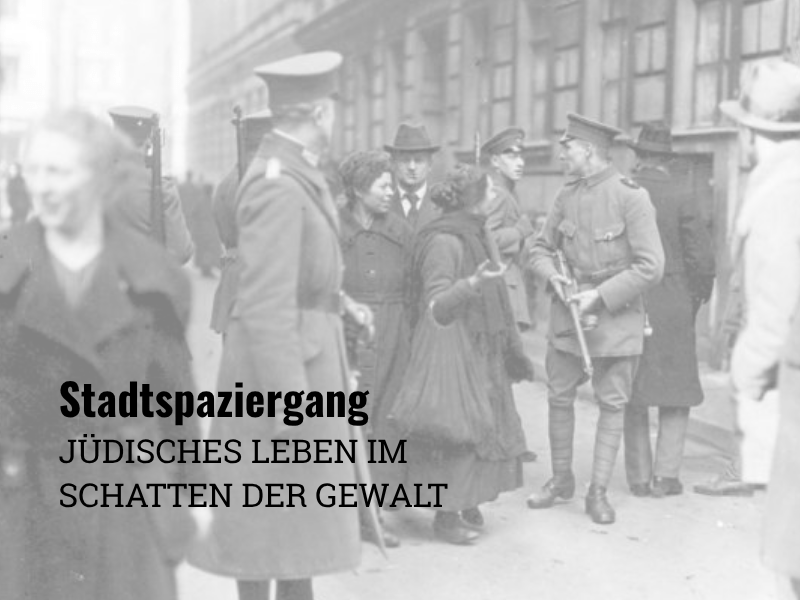
What was everyday life like in the Scheunenviertel? Where did the famous poet Mascha Kaléko live in the Scheunenviertel? What kinds of synagogues and Jewish religious institutions were there in Berlin Mitte? Why did a pogrom take place in the heart of Berlin 10 years before the Nazi dictatorship? You’ll find answers to these and many other questions on our guided tours!
Everyday Life and Culture in the Scheunenviertel
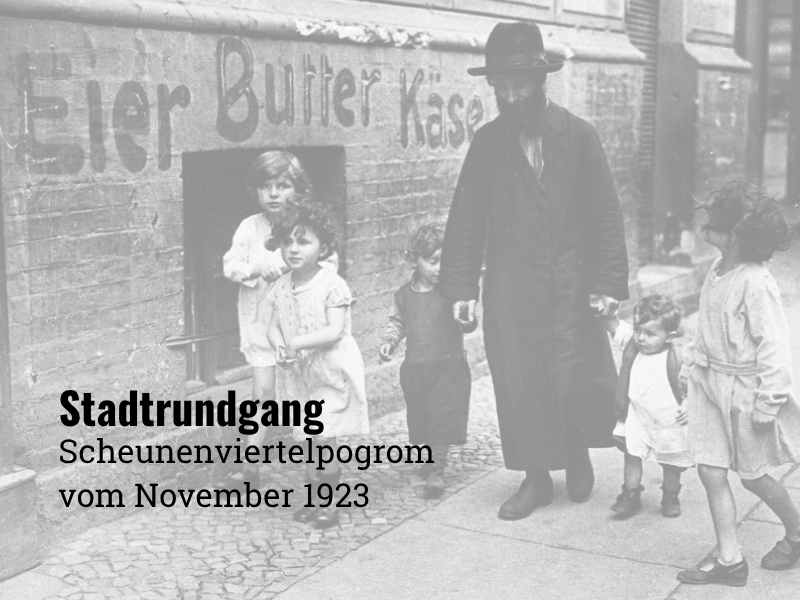
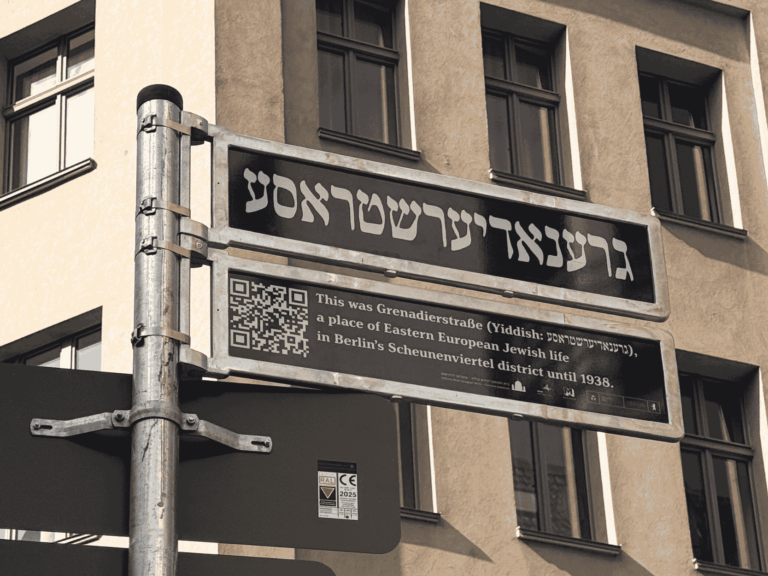
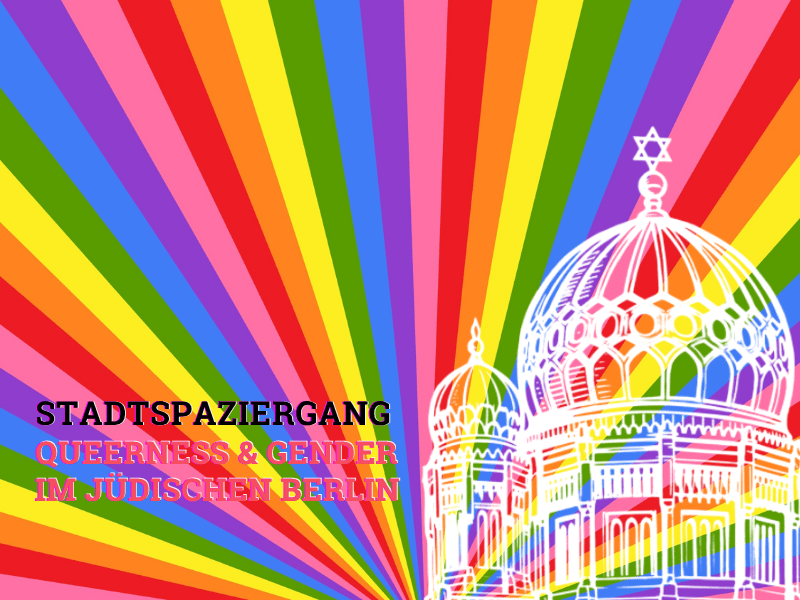
100 years ago, the Scheunenviertel neighborhood was on everyone’s lips with its many stories—a working-class neighborhood with a strong migrant culture, especially Eastern European Jewish culture. Yiddish shop signs written with Hebrew letters were everywhere. But what was everyday life like for the people who lived here? This tour tells the story of life in the district from the perspectives of people who lived there, showing the stories behind the shops, theaters, and meeting places where German and Eastern European Jews came together.
October 4 | 2:00 p.m.
City walk/Guided Tour
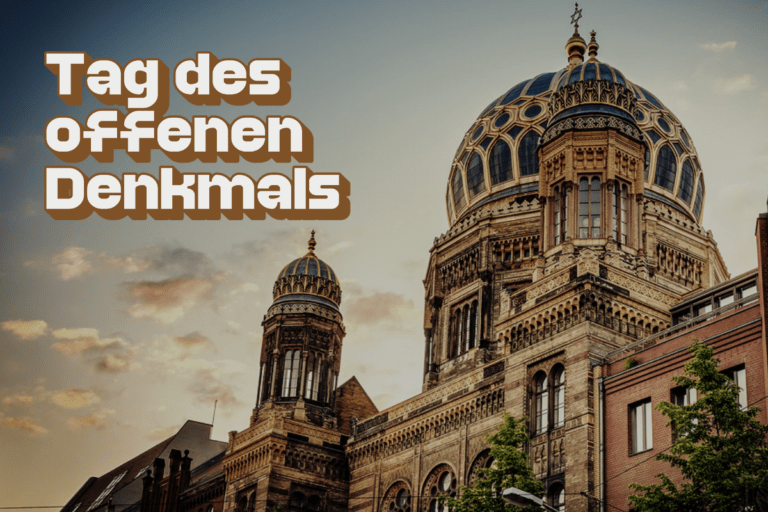
Starting point: In front of the New Synagogue Berlin
Registration required!